Choosing a ducted air conditioning system is one of the most significant investments you’ll make for your Australian home. Our guide covers the considerations to keep in mind for ducted air conditioning system selection for your home in 2025, plus our recommendations.
When selecting a ducted air con system for your home, there are some specifics to consider:
Factor
Why it matters for ducted systems
Practical action
Capacity (kW)
Must be correctly sized to the house’s heat load. An oversized unit ‘short-cycles’ (turns on/off rapidly), wasting energy and failing to properly dehumidify. An undersized unit runs constantly, spiking energy bills and failing to cool in a heatwave.
Get a professional load calculation (Manual J or similar) which considers ceiling height, insulation, window size/orientation, and local climate zone.
Energy Efficiency
Ducted systems can be the biggest energy user in a home. Look beyond the standard MEPS star ratings; focus on Inverter Technology and the system’s ability to run efficiently at part-load.
Look for high AEER/EER (cooling) and ACOP/COP (heating) ratings. Modern systems use R32 refrigerant for lower environmental impact and better efficiency.
Zoning
This allows you to divide your home into independent temperature-controlled areas (e.g., bedrooms, living areas). This is key for efficiency, as you only condition the zones you are using.
Specify a system that is fully compatible with advanced zoning controllers like MyAir or AirTouch, which offer individual temperature control for each room.
Static Pressure
This is the pressure required to push air through the ductwork. If you have a long, complex duct run, you need a unit with high static pressure capability (e.g., 100-150Pa) to ensure adequate airflow to all outlets.
Discuss your home’s layout with the installer; multi-story or complex layouts often require higher static pressure units.
Noise Levels
The outdoor condenser unit and the indoor fan coil unit should both operate quietly, especially in close-knit urban areas or near bedrooms.
Check the manufacturer’s specification for the sound pressure level (dB) of both the indoor and outdoor units. Lower is better.
Warranty & Support
A ducted system should last 15-20 years. Comprehensive parts and labour warranty and a strong local support network are essential for peace of mind.
Look for a minimum of a 5-year parts and labour warranty.
Factor
Capacity (kW)
Why it matters for ducted systems
Must be correctly sized to the house’s heat load. An oversized unit ‘short-cycles’ (turns on/off rapidly), wasting energy and failing to properly dehumidify. An undersized unit runs constantly, spiking energy bills and failing to cool in a heatwave.
Practical action
Get a professional load calculation (Manual J or similar) which considers ceiling height, insulation, window size/orientation, and local climate zone.
Factor
Energy Efficiency
Why it matters for ducted systems
Ducted systems can be the biggest energy user in a home. Look beyond the standard MEPS star ratings; focus on Inverter Technology and the system’s ability to run efficiently at part-load.
Practical action
Look for high AEER/EER (cooling) and ACOP/COP (heating) ratings. Modern systems use R32 refrigerant for lower environmental impact and better efficiency.
Factor
Zoning
Why it matters for ducted systems
This allows you to divide your home into independent temperature-controlled areas (e.g., bedrooms, living areas). This is key for efficiency, as you only condition the zones you are using.
Practical action
Specify a system that is fully compatible with advanced zoning controllers like MyAir or AirTouch, which offer individual temperature control for each room.
Factor
Static Pressure
Why it matters for ducted systems
This is the pressure required to push air through the ductwork. If you have a long, complex duct run, you need a unit with high static pressure capability (e.g., 100-150Pa) to ensure adequate airflow to all outlets.
Practical action
Specify a system that is fully compatible with advanced zoning controllers like MyAir or AirTouch, which offer individual temperature control for each room.
Factor
Noise Levels
Why it matters for ducted systems
The outdoor condenser unit and the indoor fan coil unit should both operate quietly, especially in close-knit urban areas or near bedrooms.
Practical action
Check the manufacturer’s specification for the sound pressure level (dB) of both the indoor and outdoor units. Lower is better.
Factor
Warranty & Support
Why it matters for ducted systems
A ducted system should last 15-20 years. Comprehensive parts and labour warranty and a strong local support network are essential for peace of mind.
Practical action
Look for a minimum of a 5-year parts and labour warranty.
Choosing a quality ducted air conditioning brand
When it comes to ducted air conditioning in Australia, long-standing brands – Daikin and Mitsubishi Electric – are consistently highly regarded, representing the ‘Gold Standard’ of A/C systems in Australia. Hisense offers a compelling, budget-conscious alternative that has rapidly improved in performance and features.
Let’s take a look at the strengths of each of these quality brands.

Daikin: The gold standard in Australian air conditioning
Key features & strengths:
Looking at installing a Daikin? We recommend these ducted models:
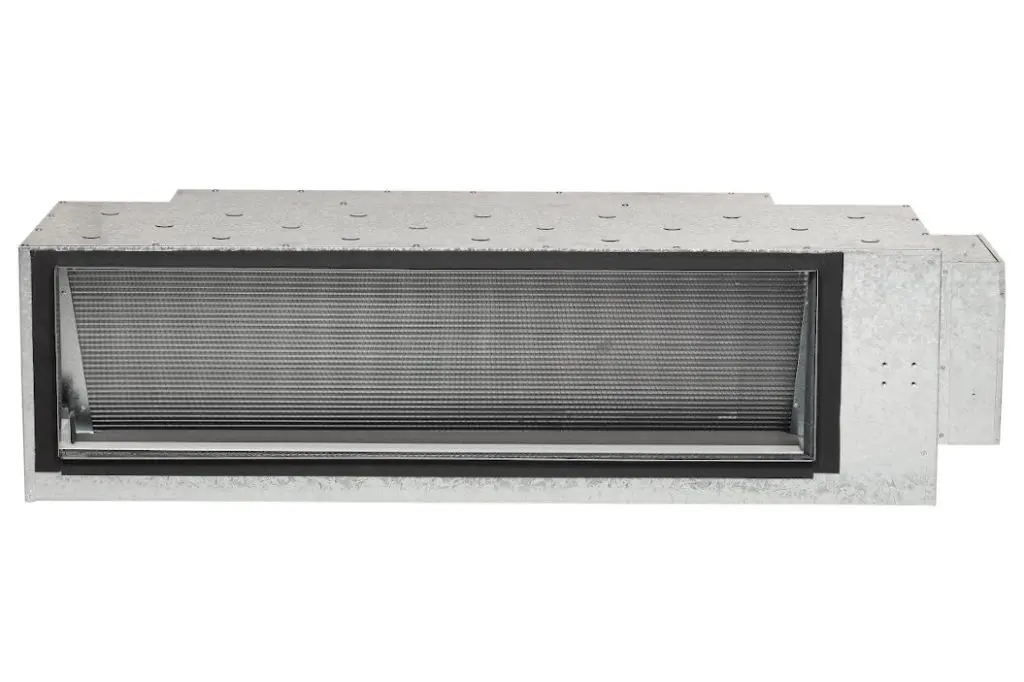
Premium Inverter Ducted
Engineered to deliver remarkable energy performance, design flexibility and R22 retrofit capability, the Premium Inverter series is the ultimate ducted solution. This model is available in capacities between 7.1kW through to 24.0kW to suit a wide range of applications.
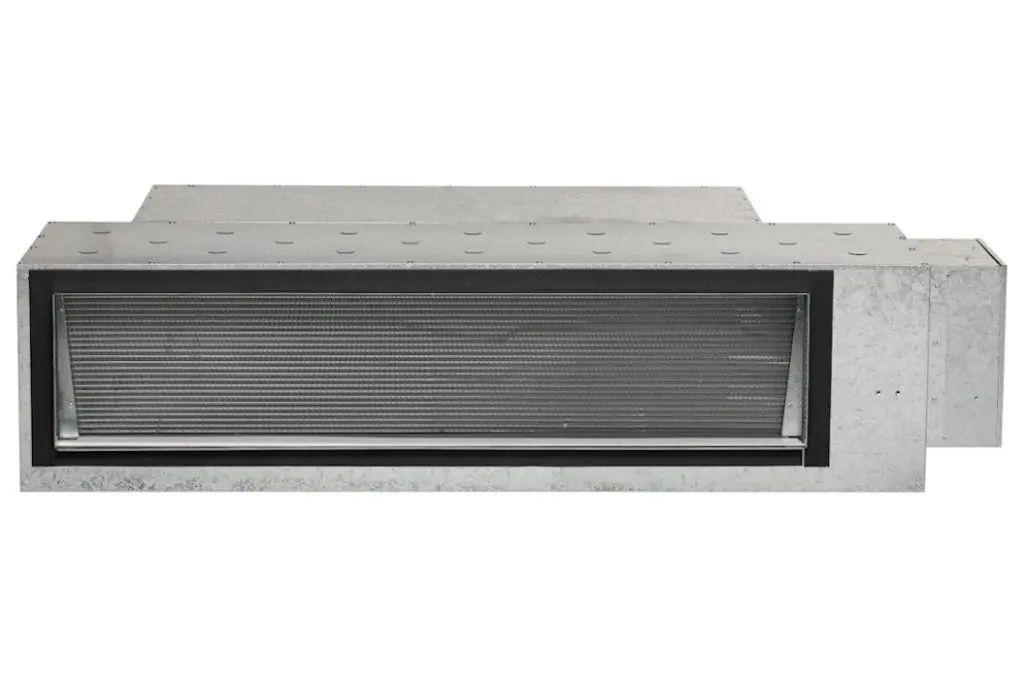
Inverter Ducted
Engineered to deliver a compact and efficient design, the new Inverter series is ideal for installation into the tight roof space of any modern home. Capacities from 5.0kW through to 23.5kW make this model suitable for many applications.
Mitsubishi Air: Quiet operation and reliability
Mitsubishi Air is the other leader in the Australian ducted A/C market, known for their unwavering focus on quiet, efficient, and highly reliable operation.
Key features & strengths:
Whisper-Quiet Operation: Mitsubishi Air often sets the benchmark for low noise levels, with a focus on ultra-quiet indoor fan speeds, making them ideal for bedrooms and living spaces.
Exceptional Reliability: The brand has a legendary reputation for durability, often resulting in fewer call-backs for service over the system’s lifespan.
System Versatility: Their product range offers robust performance and high static pressure capability, making them highly versatile for a variety of home layouts, including complex renovations and multi-story dwellings.
Controller Options: Mitsubishi Air systems integrate well with both their own controllers and popular third-party smart controllers, giving installers and users flexibility.
Best For: Buyers for who prioritise reliability and ultra-quiet operation. They are an excellent choice for complex installations due to their power and static pressure capabilities.
We recommend these Mitsubishi Air ducted models:
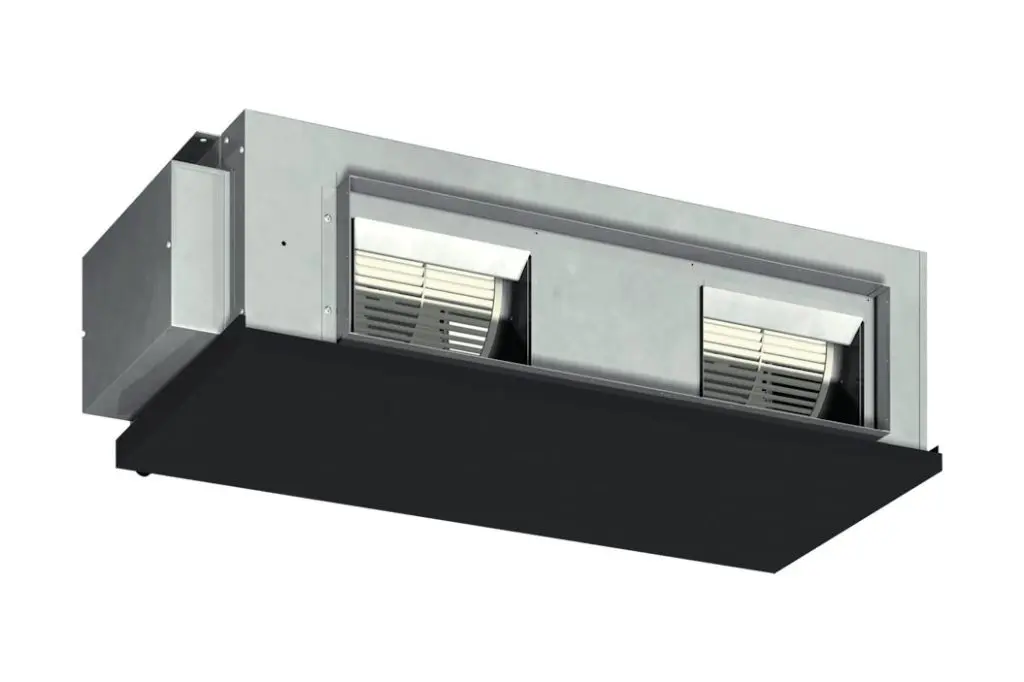
PEA-M-GAA Series
The Mitsubishi Electric range of PEA-M-GAA ducted air conditioners offers discrete yet highly efficient design and so much more, with advanced features and versatile customisation options. Choose the layout that best suits your home and select various airflow options to ensure the best match for each area. Capacity range from 10.0 kW to 14.0 kW.

PEA-M-HAA Series
Keep your home at the ideal temperature all year long with the PEA-M100-140HAA ducted air conditioning unit, with a 2-piece design, optional zoning and smart home integration for ultimate control. Capacities available for this model are 10.0kW, 12.5kW and 14.0 kW.
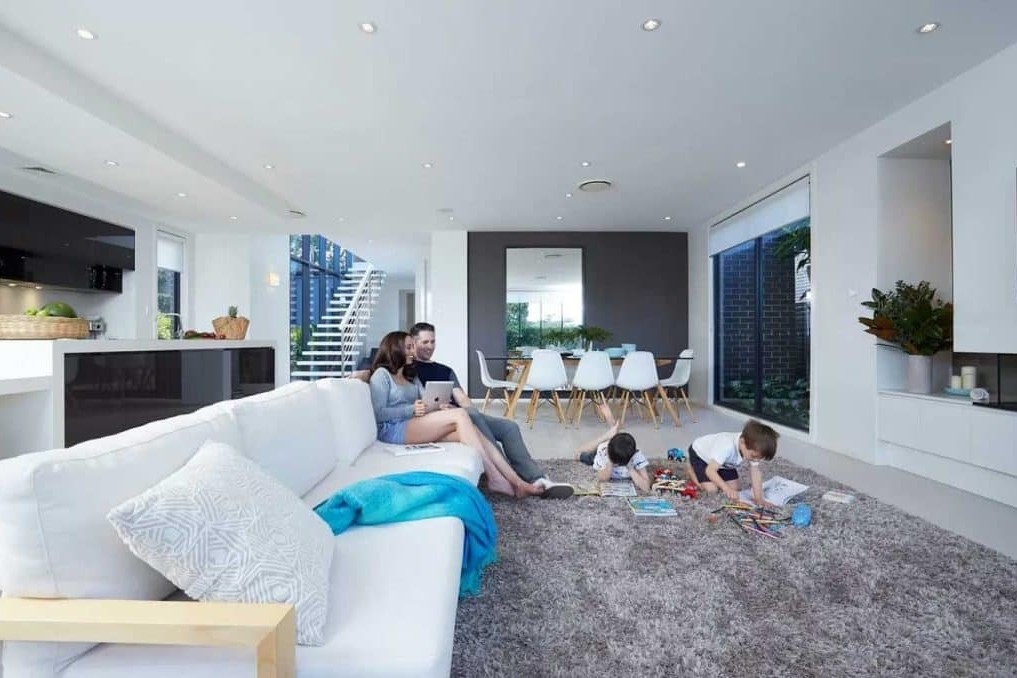
Hisense: The value-focused contender
Hisense has emerged as a significant player in the Australian appliance market and is aggressively increasing its presence in air conditioning. They represent a strong mid-range option with excellent value for money.
Key features & strengths:
Feature-Rich: Their ducted units often include modern features like advanced inverter technology and Wi-Fi control as standard, ensuring you don’t miss out on essential smart functionality.
R32 Refrigerant: Like the premium brands, Hisense models utilise the energy-efficient and environmentally conscious R32 refrigerant.
Good Warranty: Hisense often backs its products with a competitive warranty (check the latest offering), demonstrating confidence in their reliability.
Best For: Budget-conscious buyers who want whole-home ducted comfort, modern features (like Wi-Fi control and R32), and a reliable inverter system without paying the premium for the top-tier Japanese brands.
We recommend these Hisense ducted models:
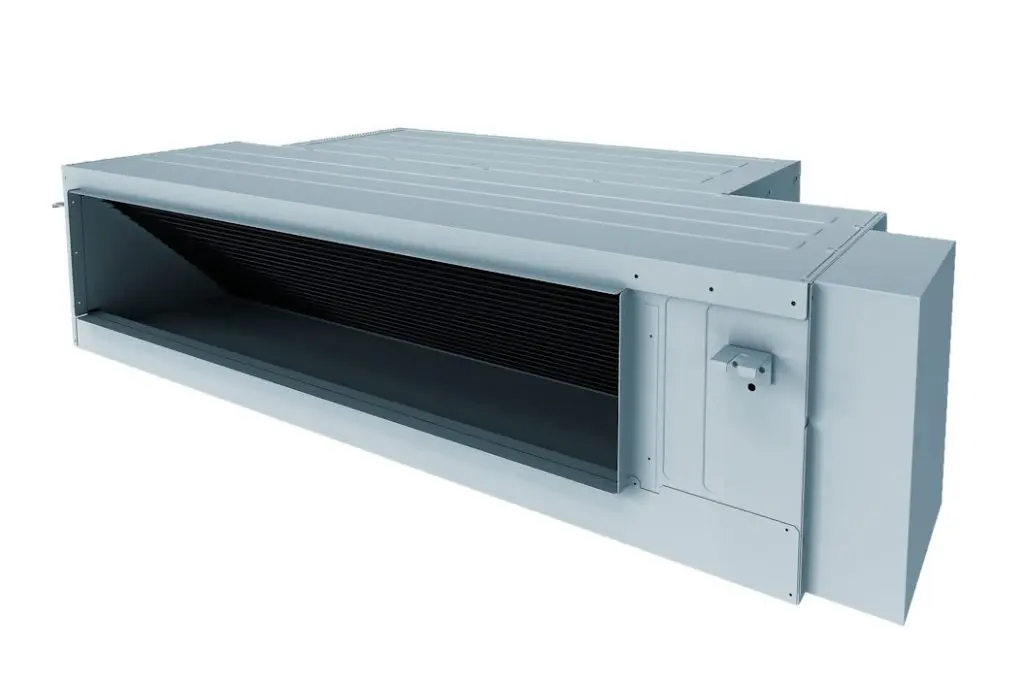
AirQ Premium Ducted
Model No. AUD-100UX4RSH1
Create the ultimate indoor environment with the Hisense AirQ ducted air conditioner, designed to deliver whole-home comfort with advanced control and superior air quality. Enjoy personalised comfort with zone control, allowing you to independently manage temperature and airflow in different areas of your house. With Wi-Fi and voice control via the ConnectLife app, you can effortlessly adjust settings from anywhere, while a self-cleaning function keeps the unit hygienic. Built tough for Australian conditions with a durable anti-corrosive Golden Fin, the Hisense AirQ is a smart and reliable choice for premium, year-round climate control. Available in a range of capacities including 8.5kW, 10kW, 12.5kW, 14kW and 16kW.
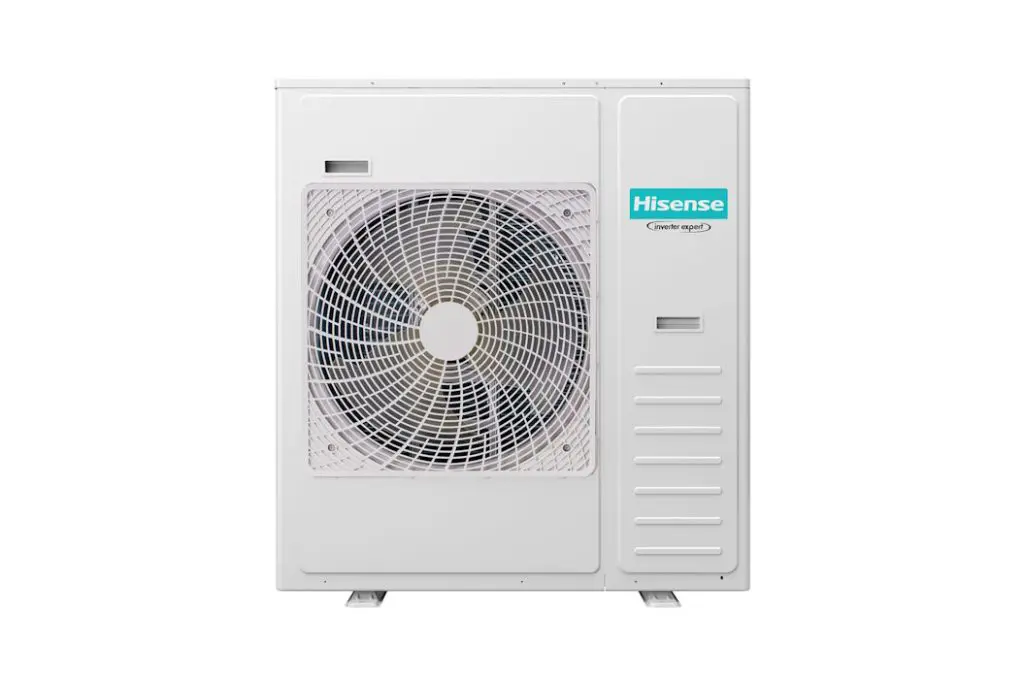
Abode
Model No. AMW5-125U4RTA
Experience year-round comfort with the Hisense Abode ducted air conditioner, engineered to provide efficient and powerful climate control for your entire home. With advanced inverter technology and zone control capability, you can effortlessly customize temperatures in different rooms, ensuring no energy is wasted on unused spaces. Manage your home’s climate from anywhere using the ConnectLife app and voice control, while features like HI-NANO air purification and a self-cleaning function ensure the air you breathe is always clean and healthy. Available in capacities from 5kW through to 12kW.
Choosing the best ducted air conditioner in 2025 comes down to matching a correctly sized, high-efficiency system to your specific home and budget. Whether you lean towards the proven reliability of Daikin and Mitsubishi Air or the compelling value of Hisense, the foundation of a successful installation is a professional load calculation and a reputable installer.