

Purchasing a new air conditioning unit is a significant investment in your home’s comfort and energy efficiency. Given the choice of where to buy—a major retail outlet or a specialised HVAC (Heating, Ventilation, and Air Conditioning) dealer—consumers often focus purely on the upfront cost of the unit. However, a professional and matter-of-fact assessment reveals that the initial price is only one component of the total cost of ownership and, arguably, the least critical factor in ensuring long-term satisfaction.
Read on for a detailed comparison between acquiring an AC unit through a mass-market retailer (such as a large hardware or appliance store) and purchasing a comprehensive supply-and-install package from an authorised HVAC dealer. We equip you with the knowledge to make an informed decision that considers factors beyond the initial price tag, including system compatibility, installation quality, warranty management, and long-term operational costs.
The Retailer Model: Focus on the Product Price
Retailers excel at offering attractive pricing on the physical air conditioning unit. Their business model relies on high volume, competitive sales, and often significant seasonal discounts. This can make them an appealing option for the cost-conscious buyer.
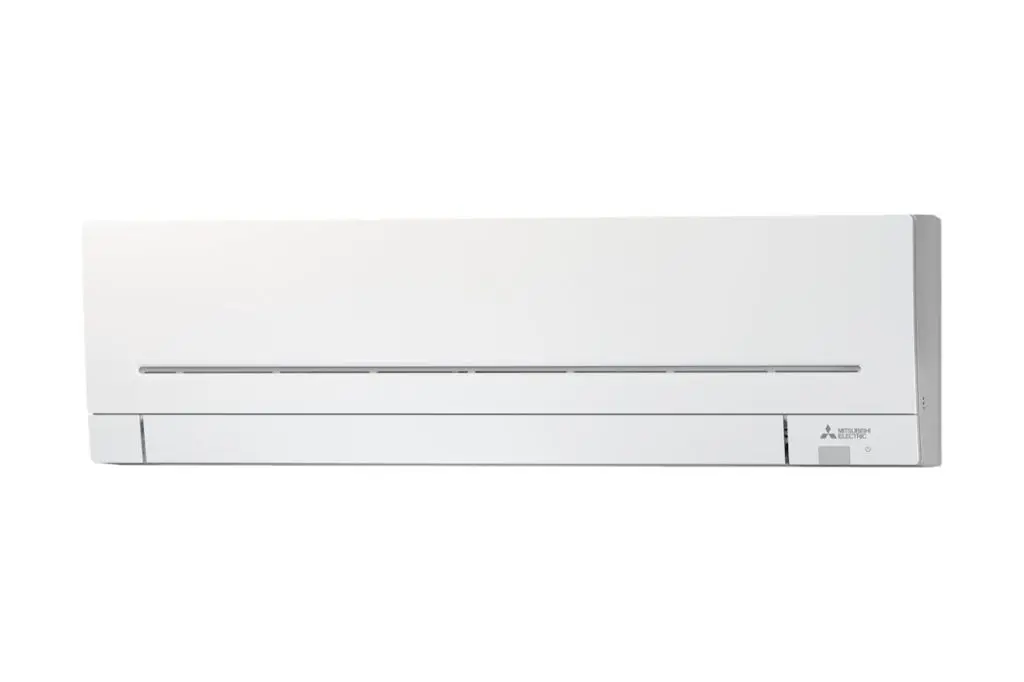
The Advantages of Buying from a Retailer
Lower Upfront Unit Cost: Retailers, due to their purchasing power and frequent promotions, often provide the unit at a lower cash price compared to a dealer’s quoted supply cost. For consumers performing a direct, unit-to-unit price comparison, the retailer often appears to be the cheaper choice.
Immediate Availability: Popular models and sizes of split system air conditioners are typically stocked in large quantities, allowing for immediate purchase and quick pick-up or delivery.
Convenience: For buyers already in the store for other purchases, the convenience of buying an AC unit at the same time is a clear advantage.
The Disadvantages and Hidden Costs
The apparent savings offered by a retailer’s unit price often dissipate when factoring in the complete project. The fundamental drawback of the retail model is the separation of sale and service.
Subcontracted and Variable Installation Quality: A retailer rarely employs in-house licensed HVAC installers. Instead, they typically subcontract the installation to an external company, which may, in turn, subcontract to regional installers. This multi-layered process introduces several risks:
Lack of Accountability: If a post-installation issue arises, the customer may face a difficult situation where the retailer blames the installer, and the installer blames the unit manufacturer, leaving the homeowner in the middle.
Inconsistent Workmanship: The quality of the installation can vary significantly depending on the subcontractor assigned to the job. Low-cost installation bundles may lead to shortcuts that compromise the system’s efficiency and lifespan.
Unexpected Installation Costs: Retail prices often cover only a “standard back-to-back” installation. If your home requires extra pipe length, complex routing, core drilling, or electrical upgrades, these ‘add-ons’ are charged separately, often at a premium, making the final installed cost much higher than anticipated.
Limited Expert Advice and System Sizing: Retail sales staff are trained to sell a wide range of products and generally lack the specialised knowledge required for a proper HVAC system assessment.
Incorrect Sizing: Purchasing an improperly sized unit (too small or too large for the space) is a common and costly error. An undersized unit will run constantly, failing to cool effectively, while an oversized unit will short-cycle, leading to poor dehumidification, uncomfortable air, and reduced energy efficiency.
No On-Site Assessment: Retailers sell units based on generic specifications, not a thorough inspection of your home’s unique variables (insulation, window orientation, ceiling height, ductwork condition, etc.).
Warranty Management Complications: While the manufacturer’s warranty remains valid, a retailer’s involvement in the claim process is minimal. In the event of a unit failure, the homeowner is often required to contact the manufacturer directly, navigate complex claims procedures, and coordinate subsequent service appointments, which can be cumbersome and time-consuming. Furthermore, any issues related to the installation (e.g., refrigerant leaks from improper connections) are separate from the unit warranty and must be resolved with the original third-party installer.
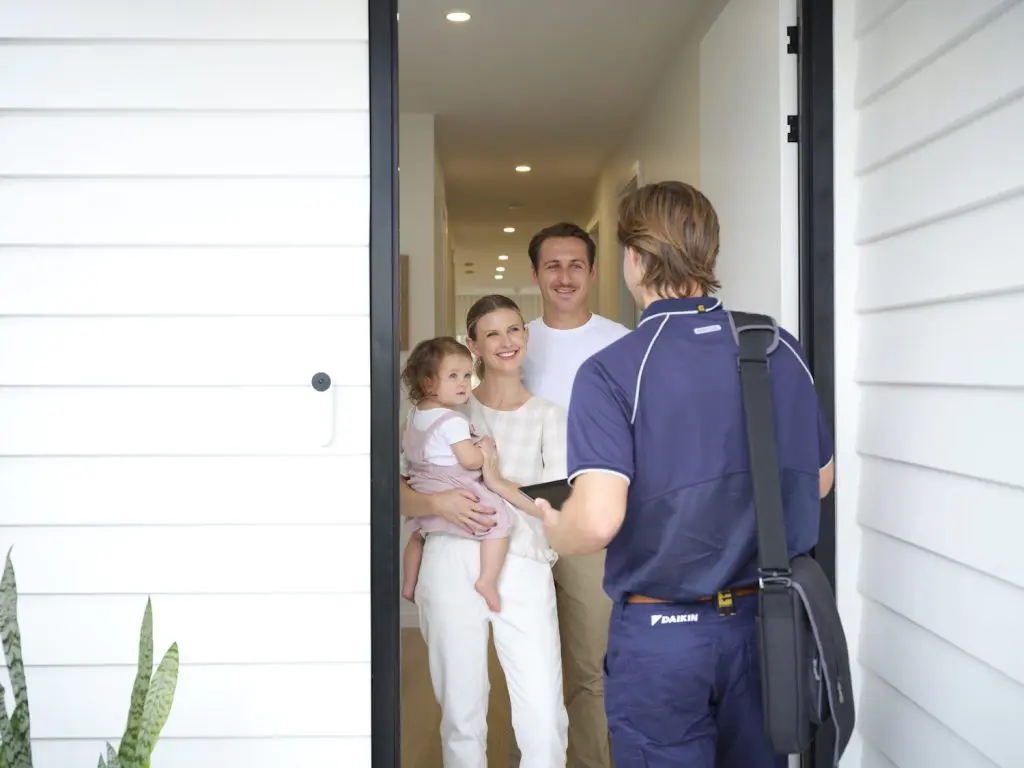
The Specialised Dealer Model: Focus on the System Solution
A specialised HVAC dealer, like CoolTimes Services, operates as a comprehensive service provider, integrating system design, product supply, professional installation, and ongoing maintenance under a single point of accountability.
The Advantages of Buying from a Specialised Dealer
Expert Consultation and Correct System Sizing: A core service offered by a dealer is the initial, obligation-free on-site consultation. This assessment is performed by a licensed professional who evaluates the heat load of the space, recommends the precise unit size (BTU/kW), type (split, ducted, VRF), and optimal placement for maximum performance and energy efficiency.
Long-Term Efficiency: Correct sizing prevents short-cycling and continuous running, which are major factors in excessive energy consumption and wear-and-tear.
Single Point of Accountability: The dealer supplies the unit, installs it, and guarantees the workmanship. If a problem arises, there is no ambiguity: the dealer is responsible for diagnosing and resolving the issue, whether it’s a product defect or an installation fault.
Comprehensive Pricing: A dealer’s quote is typically all-inclusive, covering the unit, all necessary components (brackets, piping, wiring), and the labour cost for the specific, unique installation requirements of your home. This avoids the sudden, inflated charges common with retail subcontracted installations.
Superior Warranty and After-Sales Support: When purchasing through an authorised dealer, they manage the warranty process on your behalf.
Facilitation of Claims:If the unit fails, the dealer acts as your intermediary, diagnosing the fault and liaising with the manufacturer for replacement or repair, streamlining the entire experience.
Workmanship Warranty: A reputable dealer will provide a separate warranty on their installation quality, offering protection against issues like refrigerant leaks or electrical failures related to the fitting process.
Access to Premium and Exclusive Models: Certain high-efficiency or commercial-grade air conditioning systems are intentionally restricted by manufacturers for sale only through licensed dealers. This ensures these complex systems are installed by qualified professionals, safeguarding both the equipment’s performance and the brand’s reputation.
Established Relationship for Maintenance and Repairs: Buying from a dealer establishes a relationship with a company that already knows your system and home. They are the natural first call for annual maintenance, servicing, and future repairs, ensuring consistent, high-quality care throughout the life of the unit.
The Disadvantages of Buying from a Specialised Dealer
Higher Initial All-Inclusive Price: The quoted price for the supply and installation package from a dealer will often appear higher than the unit price advertised by a retailer. This difference reflects the cost of professional consultation, guaranteed installation, and comprehensive after-sales support bundled into the final price.
Slightly Longer Wait Time: The process begins with an on-site assessment, and installation scheduling is managed by the dealer’s internal team. This typically requires a short lead time compared to the immediate availability of a unit from a retail shelf.
The Total Cost of Ownership: An Objective Assessment
When comparing the two purchase pathways, it is crucial to move from the concept of purchase price to Total Cost of Ownership (TCO). TCO includes the initial purchase cost, installation costs, energy consumption over the unit’s lifespan, and all maintenance and repair costs.
When moving past the initial sticker price, an objective assessment requires evaluating the Total Cost of Ownership (TCO), which encompasses purchase price, installation, energy consumption, and future maintenance and repair expenses. While a retailer’s unit price is typically lower, this savings is often negated by the high risk of suboptimal installation and improper system sizing. An installation executed by a subcontracted, lower-cost crew may result in refrigerant charging errors or poor duct connection, leading to an immediate and ongoing loss of system efficiency—sometimes exceeding 10%. Over the 10-to-15-year lifespan of the unit, this reduced efficiency translates directly into hundreds or even thousands of dollars in wasted energy and premature wear. Furthermore, the lack of a single point of accountability means the homeowner is left to navigate complex warranty claims, increasing both friction and downtime when a repair is necessary.
In contrast, the slightly higher, all-inclusive price quoted by a specialised dealer is an investment in guaranteed performance and low friction support. The dealer’s price covers a professional, on-site heat load assessment, ensuring the unit is correctly sized for peak efficiency, and a guaranteed installation that maximises the manufacturer’s performance specifications. This critical step minimizes long-term energy waste and extends the equipment’s operational life. By providing a single point of accountability for the unit, the installation, and all future warranty claims, the dealer model minimises the risk of costly post-installation issues and ensures swift, professional resolution, ultimately delivering a lower TCO and superior comfort throughout the unit’s lifespan.

Daikin Air Conditioning Solutions
For the best in Daikin Air Conditioner sales, installations, repairs, maintenance and cleaning.

Mitsubishi Air Conditioning Solutions
We provide comprehensive Mitsubishi Air Conditioning installation and service to Brisbane and the Gold Coast.

Hisense Air Conditioning Solutions
The best in Hisense Air Conditioner sales, installations, repairs, maintenance and cleaning.